
Lighting System Design
Lighting System Design in Coral Springs, FL
Poor lighting can leave a stage uneven, create dark zones, wash out presenters, or make cameras struggle with changing brightness. These issues can reduce visibility, weaken the audience experience, and make daily operation harder for staff.
At DBM Engineering Inc., we study how the room will be used before selecting fixtures, control methods, or mounting positions. Our lighting system design in Coral Springs, FL, connects fixture placement, beam coverage, power needs, and specific room function into a clear plan. This gives clients a system that supports actual use instead of forcing the space to work around poorly chosen equipment.
A good design begins with practical details:
- Fixture type and mounting location
- Beam angle and coverage area
- Color temperature and light quality
- Dimming structure
- Electrical load and circuit needs
We also review sightlines, ceiling height, stage dimensions, reflected light, and movement through the space. For venues that need dependable lighting during presentations, worship services, performances, or business events, our approach to lighting system design in Coral Springs helps reduce weak spots before equipment is ordered. Once those core needs are defined, the next step is shaping the lighting around the type of performance or activity the space must support.

Lighting Plans That Support Performance
A room can have strong fixtures and still perform poorly if lighting was not planned for speakers, performers, cameras, or audience viewing. Harsh angles can create facial shadows, while uncontrolled spill can brighten screens or reduce stage contrast.
We build lighting design services in Coral Springs, FL around the activities that take place in the room. We consider front light, back light, side light, stage wash, accent light, house lighting, and cue control as separate needs. Each layer has a purpose, helping the final system stay easier to operate during events.
For stage-based spaces, we plan around elements:
- Front coverage for faces and presenters
- Back lighting for visual separation
- Stage wash for even coverage
- Cue control for scene changes
- House light zones for audience areas
Our team also considers DMX control, fixture addressing, console workflow, dimming behavior, and scene storage. Through stage lighting system design in Coral Springs, FL, we organize these parts before installation begins, reducing guesswork for technicians and venue staff.
This planning suits churches, entertainment venues, corporate rooms, restaurants, and live event spaces where lighting changes by activity. With the performance needs mapped, fixture selection can focus on output, color quality, and operating goals.

Design Choices Built Around Use
Lighting should not be chosen because a fixture looks impressive on a product sheet. The wrong output, beam spread, color quality, or control method can increase cost while doing less for the room.
Our work in professional lighting design in Coral Springs, FL focuses on selecting equipment by function. We compare lumen output, beam angle, color temperature, CRI, dimming range, fixture type, control compatibility, and mounting needs before recommending a layout. This helps clients spend on equipment with a clear job.
Key design choices may include:
- LED PARs for broad stage color
- Fresnels for soft directional coverage
- Ellipsoidal fixtures for shaped beams
- Moving lights for flexible event looks
- Architectural fixtures for room zones
We also account for fixture count, throw distance, mounting height, maintenance access, and the relationship between lighting and video capture. With custom lighting system design in Coral Springs, FL, we shape the layout around room size, production style, and existing AV infrastructure instead of forcing a standard package into every project.
That gives owners a clear reason behind each fixture and placement decision. Once the equipment strategy is set, the project can move into technical planning and documentation.
Planning Before Equipment Goes In
Many lighting problems begin before installation. Missing circuit capacity, unclear control paths, limited mounting points, or poor cable routes can delay a project and create costly changes after equipment arrives.
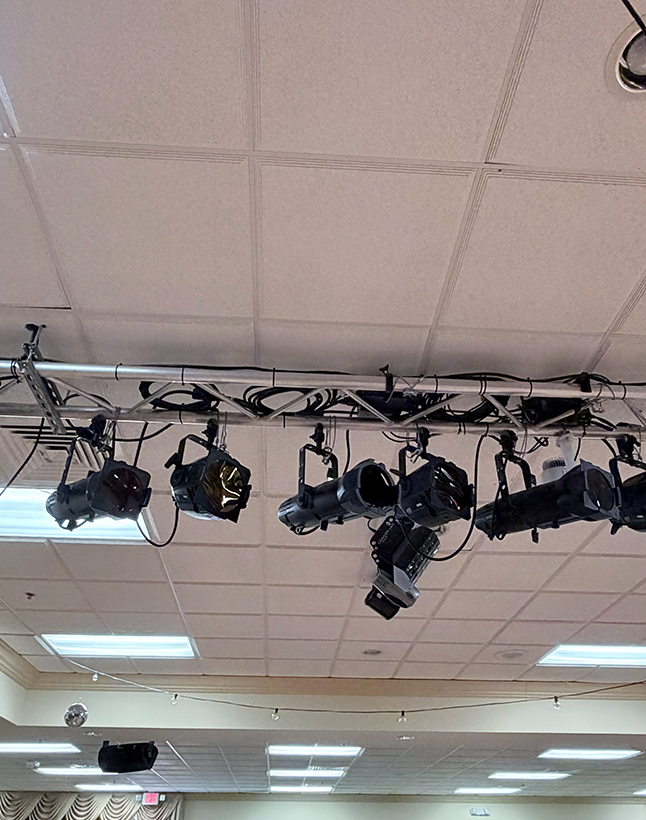
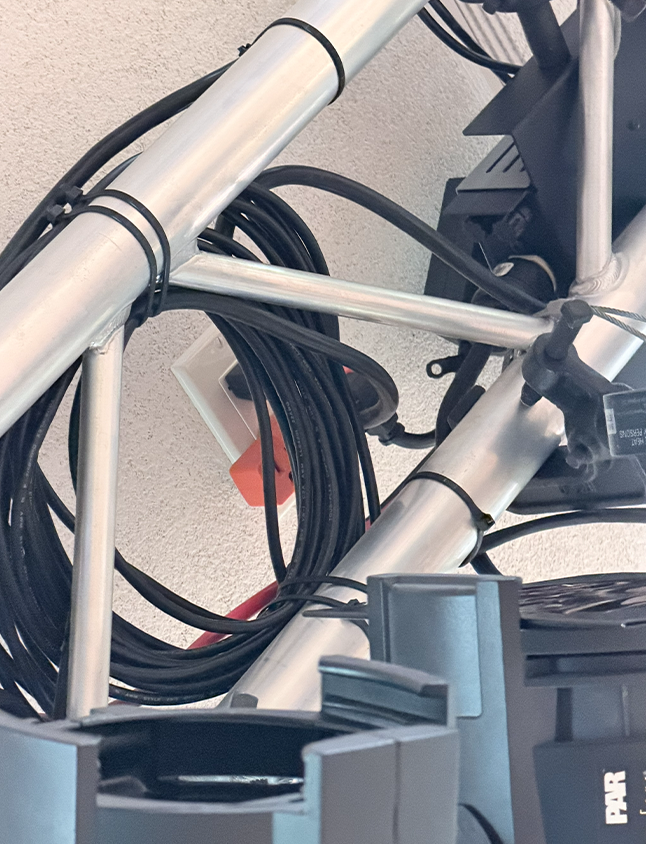
Our lighting system planning in Coral Springs, FL, organizes technical details before work starts. We review fixture schedules, DMX paths, network needs, power distribution, mounting positions, signal flow, cable routes, and equipment locations. This gives installers a clear reference for what goes where and how each part connects.
A useful planning package can define:
- Fixture locations and intended purpose
- Control and data routing
- Power and load requirements
- Channel structure
- Equipment rack positions
For spaces that host changing programs, our event lighting system design in Coral Springs, FL service also considers cue sequences, room resets, and operator access. A banquet setup, live performance, speaker event, and corporate presentation may use the same room differently, so the operating plan should support those changes without confusing staff.
This stage connects design choices with the physical requirements of the building. It also creates a direct handoff into integration, where lighting must coordinate with audio, video, and the room’s broader control system.
Lighting That Works With AV
Lighting can interfere with audio and video if the systems are planned separately. Bright fixtures can wash out displays, poor color quality can affect camera images, and disconnected controls can force staff to manage several interfaces during one event.
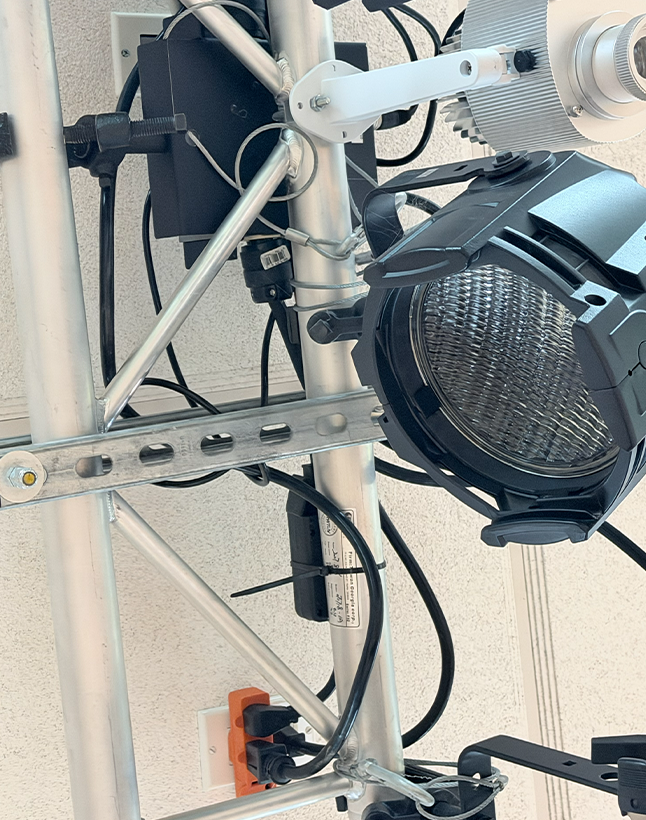
Through audio video lighting system design in Coral Springs, FL, we coordinate lighting with displays, cameras, sound systems, control interfaces, networking, and room operation. DBM Engineering Inc. handles commercial AV engineering, system design, installation, programming, testing, commissioning, and technical support, allowing the lighting plan to fit the larger system.
Integration planning may cover:
- Lighting scenes linked to room modes
- Camera-friendly output levels
- Display visibility and glare control
- Shared control interfaces
- Network communication between systems
In performance-driven spaces, our commercial stage lighting design in Coral Springs, FL, also considers live audio, video recording, presentation content, and production cues. That coordination can make operation easier for staff and more consistent for audiences, presenters, performers, and camera crews.
DBM Engineering Inc. brings more than 20 years of AV experience across lighting, audio, video, structured cabling, control, acoustics, and production. Clients can call (954) 817-2144 to discuss project requirements and the design work needed before equipment is installed.
[02]
why choose us

Production Insight
Our hands-on production background helps us judge lighting from a real show perspective, so each design supports how performers, technicians, and audiences experience the finished space.
Project Continuity
With our lighting design services in Coral Springs, FL, the same team can carry design intent into engineering and installation, reducing miscommunication between separate contractors.

Clear Documentation
We prepare lighting information that gives installers and operators a useful project reference, helping everyone understand equipment roles, connection details, and intended lighting functions.
[03]
Faqs
COMMON QUESTIONS
Can existing lighting fixtures be reused in a new system design?
How does DBM Engineering design lighting for rooms with low ceilings?
Low ceilings require careful fixture placement to reduce glare, harsh angles, and unwanted brightness. We study ceiling height, fixture distance, beam spread, and the areas that need usable light. Our team then selects fixture types and positions that work within the available vertical space. This gives the room controlled lighting without making performers or guests uncomfortable.
Can existing venues use lighting system design in Coral Springs, FL?
Yes, existing venues can use our lighting system design in Coral Springs, FL to improve an older setup without automatically replacing everything. We review current equipment and identify where design changes can provide practical improvement.
Can lighting system design reduce unnecessary equipment costs?
Yes, proper design can reduce spending by defining the exact role of each proposed lighting fixture. We calculate coverage needs before recommending fixture quantities, types, mounting locations, or controls. Our team avoids adding equipment simply to increase the size of the lighting package. Clients receive a focused system where each component supports a specific lighting requirement.
What information should a client provide before lighting design begins?
Clients should share the room use, typical activities, existing equipment, operating needs, and any planned changes to the space. We use those details to build the design around actual day-to-day requirements.
How do you prevent a lighting system from feeling overly bright?
Excess brightness usually comes from poor fixture choice, incorrect intensity, or too much overlapping coverage. We balance output across the space so useful areas receive enough light without creating uncomfortable visual conditions.
Can lighting design in Coral Springs support future equipment additions?
Yes, lighting design can account for future fixture additions, control changes, or expanded venue requirements. With our lighting system design in Coral Springs, FL, we review available system capacity and future connection needs. Our team organizes the initial layout so later lighting upgrades can be planned with fewer system conflicts. This helps clients avoid building a lighting setup that becomes difficult or costly to expand later.
How does lighting design help reduce operator mistakes?
A structured lighting design makes operation easier by giving fixtures, controls, and lighting zones defined functions. We arrange the system around the tasks staff needs to handle during events or regular operation. Our team reduces unnecessary control steps and keeps commonly used lighting functions easier to manage. This helps operators respond to lighting needs without working through an overly complicated setup.